

NCERT Class 10 Hindi Book – Chapter Wise PDF Download
Hindi in Class 10 is offered in two separate courses — Hindi A and Hindi B — and students are enrolled in one of the two depending on their school. Both courses have their own set of NCERT books, their own difficulty level, and their own exam pattern.
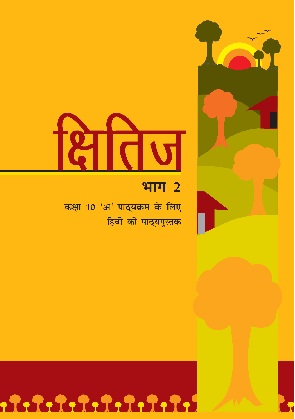
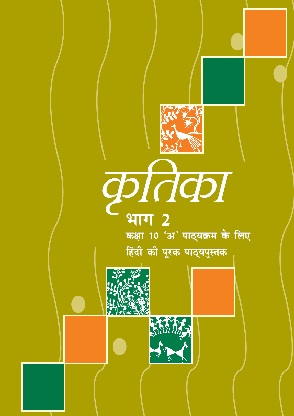
Hindi A is considered the more literary and detailed course. It has two books — Kshitij II, which covers prose and poetry from classical and modern Hindi literature, and Kritika II, a supplementary reader with longer prose pieces. Hindi A is generally chosen by students who are stronger in Hindi or whose schools follow the more rigorous literary track.
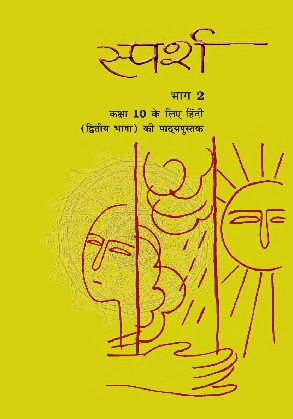
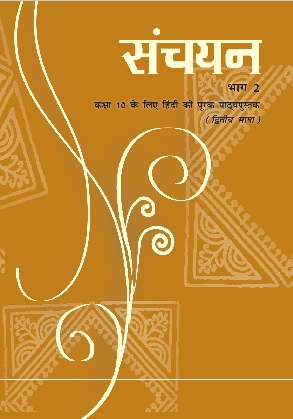
Hindi B is the standard course and is more commonly followed across CBSE schools. It also has two books — Sparsh II, which covers prose and poetry, and Sanchayan II, a shorter supplementary reader with three longer texts. Hindi B is slightly less dense in literary content but still requires serious preparation for the board exam.
On this page, you’ll find chapter-wise PDF download links for all four books — Kshitij, Kritika, Sparsh, and Sanchayan — along with a short description of what each chapter covers.
Kshitij II (Main Course Book – Prose & Poetry)
Kshitij II is the primary textbook for Hindi A. It is divided into two sections — Gadya Khand (Prose) and Kavya Khand (Poetry). The prose section includes essays, memoirs, and narrative writing by major Hindi authors, while the poetry section covers classical and modern Hindi poets ranging from Kabir and Surdas to Nirala and Nagarjun.
Download NCERT Class 10 Kshitij II – Chapter Wise:
Gadya Khand (Prose)
- Prelims
- Chapter 1: Surdas ke Pad — Surdas
- Chapter 2: Ram-Lakshman-Parashuram Samvad — Tulsidas
- Chapter 3: Jai Shankar Prasad – Aatma Katha
- Chapter 4: At nahi Rahi hai — Suryakant Tripathi Nirala
- Chapter 5: Yeh Danturit Muskan / Fasal — Nagarjun
- Chapter 6: Sangatkar — Manglesh Dabral
- Chapter 7: Netaji Ka Chashma — Swayam Prakash
- Chapter 8: Balam Aao Hamare Gaon — Ram Vriksh Benipuri
- Chapter 9: Lakhnavi Andaz – Yashpal
- Chapter 10: Ek Kahani Yeh Bhi — Mridula Garg
- Chapter 11: Naubatkhane Mein Ibadat — Yatindra Mishra
- Chapter 12: Sanskriti — Bhagat Anand Kaushalya
Kritika II (Supplementary Reader)
Kritika II contains five longer prose pieces — a mix of stories, autobiographical writing, and travelogue — that complement the literary themes in Kshitij. Unlike Kshitij, Kritika has no poetry. The chapters are longer and require more sustained reading, but the questions asked in board exams from this book tend to be more straightforward.
Download NCERT Class 10 Kritika II – Chapter Wise:
- Prelims
- Chapter 1: Mata ka Anchal — Shivpujan Sahay
- Chapter 2: Sana-Sana Hath Jodi — Madhu Kankariya
- Chapter 3: Main Kyon Likhta Hoon — Agyeya
Sparsh II (Main Course Book – Prose & Poetry)
Sparsh II is the main textbook for Hindi B. Like Kshitij, it is divided into prose and poetry sections, but the texts are generally more accessible and the literary density is slightly lower. The book covers a strong mix of themes — patriotism, humour, social commentary, and nature — through both well-known and lesser-known Hindi writers.
Download NCERT Class 10 Sparsh II – Chapter Wise:
Gadya Khand (Prose)
- Chapter 1: Bade Bhai Sahab — Premchand
- Chapter 2: Diary ka Ek Panna — Siteswarprasad
- Chapter 3: Tantara Vamiro Katha — Lilhadon
- Chapter 4: Teesri Kasam ke Shilpkar Shatilal Nazar — Pradeep Thakur
- Chapter 5: Girgit — Anton Chekhov (translated)
- Chapter 6: Ab Kahan Doosron ke Dukh se Dukhi Hone Wale — Nirmal Verma
- Chapter 7: Pathjhad ki Tonti — Saadat Hasan Manto
- Chapter 8: Kartus — Habib Tanvir
Kavya Khand (Poetry)
- Chapter 9: Kabir ki Sakhiyan — Kabir
- Chapter 10: Meera ke Pad — Mirabai
- Chapter 11: Dohe — Bihari
- Chapter 12: Manushyata — Maithilisharan Gupt
- Chapter 13: Parvat Pradesh mein Pavas — Sumitranandan Pant
- Chapter 14: Madhur-Madhur Mere Deepak Jal — Mahadevi Verma
- Chapter 15: Top — Kedarnath Agarwal
- Chapter 16: Yeh Danturit Muskan — Nagarjun
- Chapter 17: Kar Chale Hum Fida — Kaifi Azmi
Sanchayan II (Supplementary Reader)
Sanchayan II is the supplementary reader for Hindi B. Unlike Kritika, which has five chapters, Sanchayan has only three — but each is a longer, more developed piece. The chapters include a memoir, a story, and a longer narrative, and they are examined for character analysis, theme-based questions, and comprehension.
Download NCERT Class 10 Sanchayan II – Chapter Wise:
- Chapter 1: Harihar Kaka — Mithileshwar
- Chapter 2: Sapno ke se Din — Gurdial Singh (translated)
- Chapter 3: Topi Shukla — Rahi Masoom Raza
Why NCERT Class 10 Hindi Books Matter
A lot of students treat Hindi as the subject they’ll score easily in without too much preparation — and then lose marks they didn’t expect to. The board paper tests far more than memory: it asks for character analysis, theme-based answers, essay writing, grammar, and unseen passage comprehension. All of these skills are built through the NCERT books, not around them.
Kshitij and Sparsh together cover some of the finest writing in Hindi literature — from Kabir’s dohas and Tulsidas’s Ramcharitmanas to Premchand’s social realism and Kaifi Azmi’s patriotic poetry. These aren’t texts you read once and summarise. They reward careful reading and re-reading, and the board exam reflects that.
The supplementary readers — Kritika and Sanchayan — are frequently underestimated. Students either skip them or read them too quickly. But several of the most interesting board questions come from these books, precisely because fewer students prepare them thoroughly.
How to Use These Books Effectively
Start with prose before poetry. Whether you’re on Hindi A or Hindi B, the prose chapters are longer and carry more marks. Read them first for overall understanding, then return to the poems once you have a feel for the book’s themes.
Read each poem at least twice. Hindi poetry — especially classical poets like Kabir, Surdas, Mirabai, and Bihari — uses archaic Braj Bhasha and Awadhi that needs to be read slowly. The first read is for basic meaning; the second is for imagery, tone, and theme.
Don’t leave Kritika or Sanchayan for last. Treat them as parallel reading alongside Kshitij and Sparsh. One Kritika or Sanchayan chapter per week, alongside your main book chapters, keeps both on track without cramming at the end.
Practice writing answers by hand. Hindi board answers — especially long answers and character sketches — need to be written in proper Hindi script with appropriate vocabulary. Reading is not enough; regular written practice makes a significant difference in board exam performance.
For grammar: The grammar section of both Hindi A and Hindi B papers draws on concepts taught through the course. Review compound sentences, vakya bhed, ras, alankar, and samas regularly alongside your chapter reading.
Frequently Asked Questions
What is the difference between Hindi A and Hindi B?
Hindi A (Course A) is the more advanced literary course, with Kshitij and Kritika as its books. Hindi B (Course B) uses Sparsh and Sanchayan and is considered slightly less demanding in terms of literary complexity. Both are official CBSE courses and your school decides which one you follow — you cannot choose between them individually.
Which course is easier — Hindi A or Hindi B?
Hindi B is generally considered more accessible, particularly in terms of the poetry section. Hindi A includes more classical poetry in Braj Bhasha and Awadhi, which requires additional effort to understand. However, both courses are manageable with consistent preparation.
How many books are there in Class 10 Hindi?
There are four books in total across both courses. Hindi A has Kshitij II and Kritika II. Hindi B has Sparsh II and Sanchayan II. Students study only the books of the course their school follows.
Are these books available as free PDFs?
Yes. All four NCERT books — Kshitij, Kritika, Sparsh, and Sanchayan — are available as free PDFs on the official NCERT website. The chapter-wise download links on this page are sourced from the same official resource.
Which chapters are most important for the board exam?
All chapters are in the syllabus, but some come up more frequently. For Hindi A: Ram-Lakshman-Parashuram Samvad, Naubatkhane Mein Ibadat, Netaji ka Chasma, Striya Shiksha ke Virodhi Kutarkon ka Khandan, and George Pancham ki Naak are commonly examined. For Hindi B: Bade Bhai Sahab, Kar Chale Hum Fida, Kartus, Harihar Kaka, and Topi Shukla are frequently asked.
How should I prepare Hindi for the board exam in the last month?
In the last month, focus on writing complete answers for the most frequently asked chapters rather than re-reading everything. Revise grammar topics — ras, alankar, samas, vakya bhed — separately. Practice unseen passage comprehension under timed conditions. And make sure you’ve covered both the main course book and the supplementary reader, since students who skip the supplementary reader consistently lose avoidable marks.