Why NCERT Class 10 English Books Matter
Most students treat English as a subject you can prepare for in the last few weeks before the board exam. That approach works — until it doesn’t. The reading comprehension passages, grammar questions, and writing tasks in the board paper are all built on skills that take consistent practice to develop, and the three NCERT books are designed exactly for that.
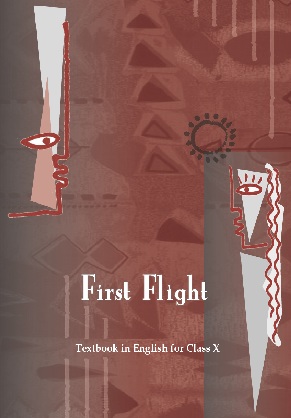
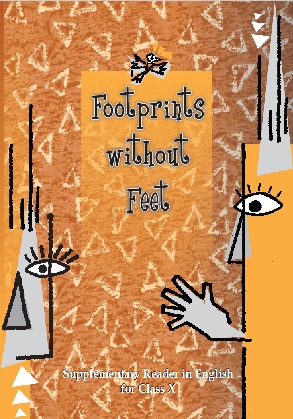
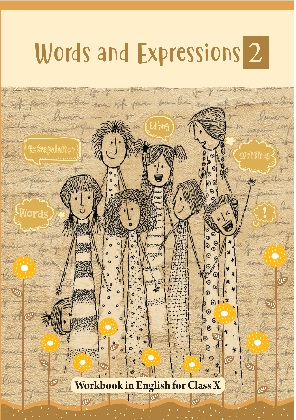
First Flight gives you the literature base — the prose and poetry that directly appear as extract-based questions and long answers in the exam. Footprints Without Feet covers the supplementary reader questions, which are shorter but carry marks that students often lose by skipping this book entirely. Words and Expressions II handles the grammar and vocabulary layer — the exercises in this workbook are the closest thing you’ll get to structured language practice within the official syllabus.
Beyond the board exam, these books are genuinely well-chosen. Nelson Mandela’s autobiography excerpt, Anne Frank’s diary, Chekhov’s comic play, Guy de Maupassant’s short story — these aren’t filler texts. They’re excerpts from works that are worth reading regardless of the exam.
How to Use These Books Effectively
Start with First Flight prose, not the poems. The prose pieces are longer and carry more marks. Read each chapter once for understanding before looking at questions or notes.
Read the poem only after the prose. Most First Flight chapters pair a poem with the prose piece — the poem is usually thematically connected, and it makes more sense after you’ve understood the chapter’s central idea.
Don’t skip Words and Expressions II. Open the corresponding unit after finishing each First Flight chapter. The grammar exercises in each unit are tied to the chapter’s theme, which makes them easier to absorb. Doing them chapter by chapter is far more effective than cramming the entire workbook at the end.
Treat Footprints Without Feet separately. These are short stories and can be read independently of First Flight. A good approach is to finish two or three Footprints stories per week alongside your regular First Flight chapters — so both books progress together without either one getting neglected.
For board exam prep specifically: After finishing each chapter, write out the answers to the main questions in your own words — not copied from a guide. The writing practice matters more than most students realise, especially for the long-answer and paragraph-writing sections.
Frequently Asked Questions
Are all three books part of the Class 10 board exam syllabus?
Yes. First Flight and Footprints Without Feet are both directly examined in the CBSE Class 10 English board paper. Words and Expressions II is the official workbook and its grammar and vocabulary exercises are part of the syllabus — questions in the grammar section of the paper align with what this workbook covers.
Which book should I start with?
Start with First Flight — it’s the main course book and covers the most marks. Once you’re a few chapters in, add Footprints Without Feet alongside it. Use Words and Expressions II unit by unit, paired with the corresponding First Flight chapter.
Is Words and Expressions II available as a free PDF from NCERT?
Yes. Like all NCERT books, Words and Expressions II is available as a free PDF on the official NCERT website. The chapter-wise download links on this page are sourced from the same official resource.
How many chapters are there in each book?
First Flight has 9 chapters, each with a prose piece and most with a paired poem. Words and Expressions II has 9 units, each corresponding to a First Flight chapter. Footprints Without Feet has 9 short stories.
Which chapters from these books are most important for board exams?
All chapters are technically in the syllabus, but some come up more frequently in board papers. From First Flight — Nelson Mandela, Anne Frank, Mijbil the Otter, and The Proposal are commonly asked. From Footprints Without Feet — Bholi, The Necklace, The Thief’s Story, and Footprints Without Feet (the title chapter) are frequently examined.
Can I study from PDFs instead of physical books?
Yes, and for chapter-wise study, PDFs are often more convenient — you can jump directly to the chapter you need without carrying the full book. The download links on this page are chapter-wise for exactly this reason.